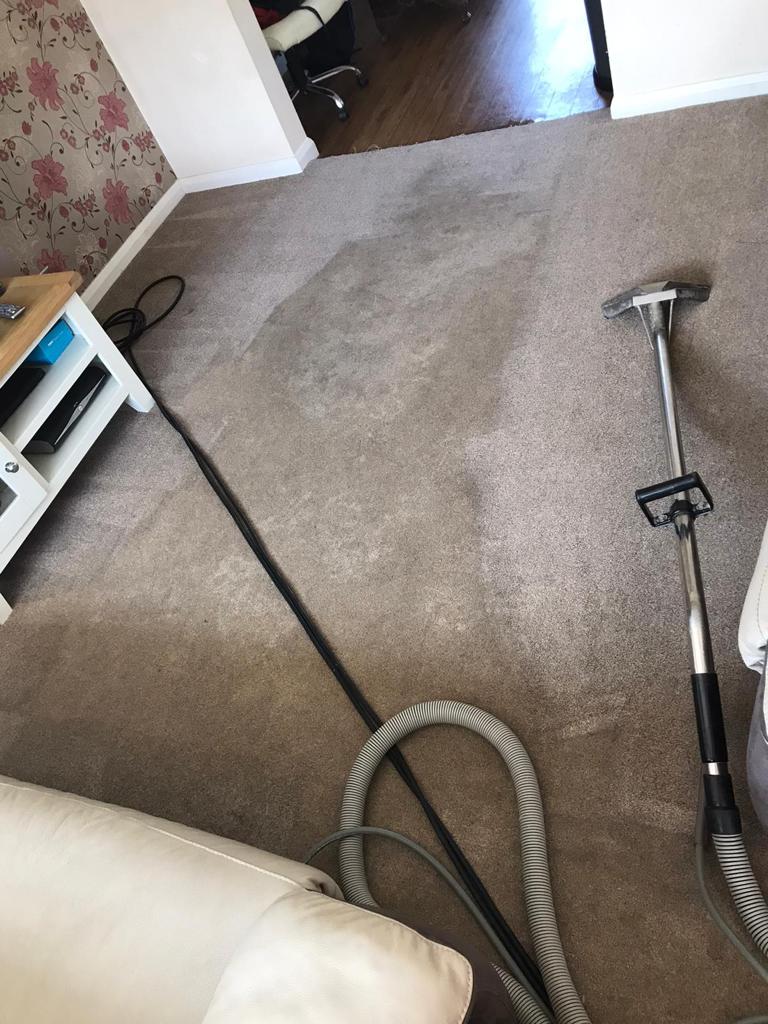
Carpets in commercial premises experience regular foot traffic, making them more vulnerable to dirt, stains and general wear than those in many residential settings. Offices, reception areas, meeting rooms and customer-facing spaces can quickly lose their fresh appearance without consistent maintenance.
A practical carpet maintenance schedule helps businesses keep flooring clean, presentable and in good condition throughout the year. Rather than waiting until carpets look heavily soiled, a planned approach combines routine cleaning with periodic professional attention. For businesses in Crawley, Sussex, having a clear maintenance routine can make carpet care easier to manage and help create a welcoming environment for staff and visitors.
Assessing Your Business’s Carpet Cleaning Requirements
The first step is to understand how different areas of your premises are used. Not every carpet requires the same level of attention, as foot traffic and daily activities vary from one room to another.
For example, entrance areas and corridors often collect more dirt because people regularly walk through them, sometimes bringing in moisture and debris from outside. Reception areas may also need frequent attention because they create an important first impression for visitors.
Meeting rooms and private offices may experience less foot traffic, meaning they can often follow a less intensive routine. Assessing each area individually helps you create a schedule that reflects actual cleaning requirements.
Establishing a Daily and Weekly Cleaning Routine
Regular maintenance helps prevent loose dirt from becoming embedded in carpet fibres. A consistent daily and weekly routine can reduce the build-up of debris and make professional cleaning more effective.
Daily tasks may include:
- Vacuuming entrances, reception areas and other busy sections.
- Removing visible debris from walkways and shared spaces.
- Addressing fresh spills promptly using suitable cleaning methods.
- Checking for damp patches or marks that need further attention.
Weekly tasks can include more thorough vacuuming of office areas, corners and spaces beneath accessible furniture. Particular attention should be given to carpet edges and areas where dust and debris tend to collect.
The frequency of each task should reflect how busy the premises are rather than following the same routine everywhere.
Planning for Immediate Stain and Spill Treatment
Spills are difficult to avoid in workplaces, particularly in kitchens, staff break areas and meeting rooms. If they are left untreated, liquids can penetrate the carpet pile and leave visible marks or unpleasant odours.
Businesses should have a simple process for dealing with spills as soon as they occur. Any excess liquid should be gently blotted with a clean, absorbent cloth rather than rubbed into the fibres. Suitable cleaning products should be used carefully, following the carpet manufacturer’s guidance.
It is also helpful to make staff aware of how to report spills so that they can be dealt with promptly. Quick action can reduce the likelihood of permanent staining and help keep carpets looking presentable.
Scheduling Periodic Professional Carpet Cleaning
Routine vacuuming is essential, but it cannot always remove deeply embedded dirt, residues and stubborn stains. Periodic professional carpet cleaning helps address this deeper build-up and maintain the overall condition of commercial flooring.
The ideal frequency depends on the type of business, the number of people using the premises and the condition of the carpets. Busy entrances and corridors may need professional attention more frequently than quieter offices or meeting rooms.
Professional cleaning methods should also be selected according to the carpet material and its condition. This helps ensure that the treatment is suitable and that the carpet can be returned to use after an appropriate drying period.
Planning professional cleaning in advance can help businesses arrange work around quieter operating periods and minimise disruption.
Adjusting the Schedule for Seasonal Changes
Carpet maintenance requirements can change throughout the year. Wet weather often brings more moisture, mud and outdoor debris into commercial buildings, particularly through frequently used entrances.
During wetter months, businesses may benefit from increasing vacuuming in entrance areas and checking carpets more regularly for dampness and visible soiling. Entrance mats can also help reduce the amount of dirt carried further into the premises.
In warmer or drier periods, dust and fine particles may become more noticeable. Adjusting the cleaning routine to reflect seasonal conditions helps maintain a consistent standard throughout the year.
Monitoring Carpet Condition and Reviewing the Routine
A maintenance schedule should be reviewed regularly rather than treated as a fixed plan. If certain areas continue to look dirty despite frequent vacuuming, the cleaning frequency or method may need to be adjusted.
Look for signs such as persistent staining, flattened fibres, unpleasant odours and uneven discolouration. These can indicate that routine maintenance is no longer sufficient.
Keeping a simple record of cleaning dates, problem areas and professional appointments can help identify patterns. It also makes it easier to plan future cleaning and allocate attention where it is most needed.
The Benefits of a Consistent Commercial Carpet Cleaning Plan
A well-organised maintenance routine helps businesses maintain a professional appearance while protecting their carpets from avoidable deterioration. Removing loose dirt regularly and arranging deeper cleaning when needed can help reduce abrasive build-up and support the long-term condition of the flooring.
Clean carpets also contribute to a more welcoming working environment. Employees, customers and visitors are more likely to notice flooring that looks well cared for, particularly in reception areas and other shared spaces.
For businesses in Crawley, Sussex, combining everyday cleaning with professional carpet maintenance provides a practical way to keep commercial premises looking presentable.
Conclusion
Creating a practical carpet maintenance schedule starts with understanding how each area of your business is used. Regular vacuuming, prompt spill treatment, seasonal adjustments and periodic professional cleaning all contribute to better carpet care.
If your business carpets need a deeper clean or you would like help maintaining their appearance, K&S Carpet Cleaning Crawley can assist. Contact the team to discuss your commercial carpet cleaning requirements in Crawley, Sussex, and arrange a suitable appointment.
Call us on: 01293 301 798
Click here to find out more about K&S Carpet Cleaning Crawley
Click here to complete our contact form and see how we can help with your carpet needs.